Health insurance is purchased with one primary expectation: financial protection during medical emergencies. However, a significant number of policyholders in India and globally face claim rejections at the time they need support the most. While insurers are often blamed, a deeper examination reveals a more uncomfortable truth—many claim rejections occur due to poor policy selection driven by incomplete research, biased online information, and scripted influence from unauthorized sources. This article explores how misinformation, especially through social media and unregulated digital platforms, plays a central role in health insurance claim failures.
The Root Cause: Wrong Policy, Not Always Wrong Insurer
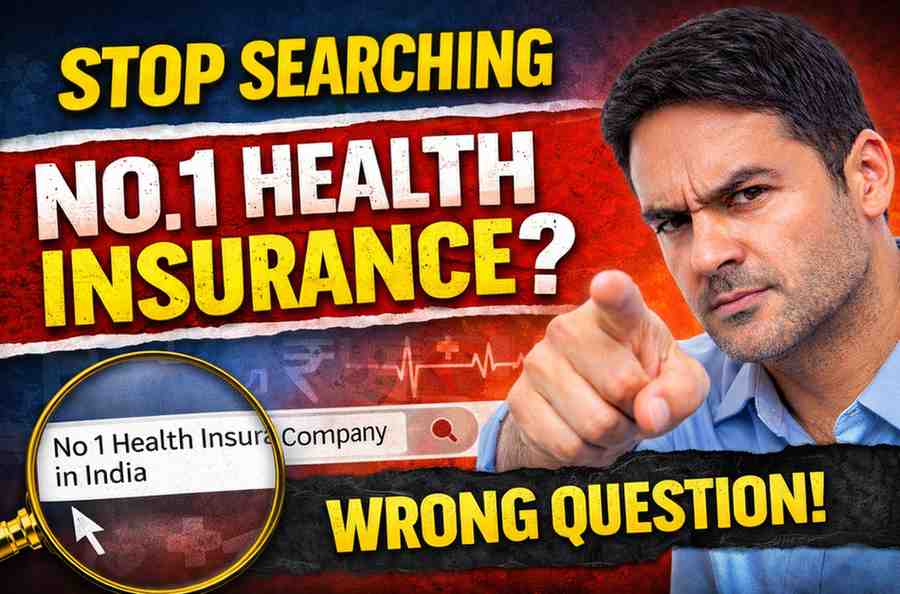
Most health insurance claim rejections do not occur randomly or unfairly. They typically arise because the policy purchased does not match the insured’s actual medical needs or expectations. This mismatch is frequently the result of superficial or misleading research conducted before buying the policy.
Consumers often believe they have done “enough research” by watching a few videos, reading comparison blogs, or checking social media posts. Unfortunately, much of this content is scripted, commercially motivated, or designed to push specific products rather than educate users about policy limitations.
The Problem with Unauthorized and Biased Information Sources
A large portion of health insurance information available online comes from unauthorized or unregulated sources. These include influencers, affiliate bloggers, unlicensed advisors, and promotional content creators. Their primary objective is not consumer protection, but lead generation, commissions, or brand partnerships.
Such content often highlights:
- Premium discounts
- High claim settlement ratios
- “Best policy” rankings
- Limited-time offers
What is rarely explained in detail are:
- Waiting periods for pre-existing diseases
- Sub-limits on procedures
- Room rent restrictions
- Co-payment clauses
- Disease-wise exclusions
- Non-medical expense exclusions
When consumers base their purchase decisions on half-truths or oversimplified comparisons, they unknowingly buy policies that look attractive on the surface but fail during claims.
Social Media: A Scripted Influence Engine
Social media platforms are not neutral information spaces. They operate on algorithms designed to maximize engagement, not accuracy. Once a user shows interest in health insurance, the platform begins pushing similar content—often from the same group of influencers or marketers promoting identical products.
This creates an illusion of consensus:
- “Everyone is recommending this policy”
- “This insurer is trending”
- “This is the most trusted plan”
In reality, many influencers are reading pre-written scripts provided by marketing agencies or insurance aggregators. The same selling points are repeated across platforms, creating artificial credibility. Critical information that could discourage a purchase is intentionally omitted because it reduces conversion rates.
Scripted Narratives and Emotional Triggers
Social media marketing relies heavily on emotional storytelling:
- Fear of hospital bills
- Stories of sudden illness
- Claims of “zero rejection”
- Promises of “cashless everywhere”
These narratives are designed to push quick decisions. Consumers are emotionally influenced to buy immediately rather than evaluate policy wordings carefully. This urgency-driven buying behavior leads to overlooked exclusions and misunderstood terms—major reasons for claim rejection later.
Lack of Policy Understanding at the Time of Claim
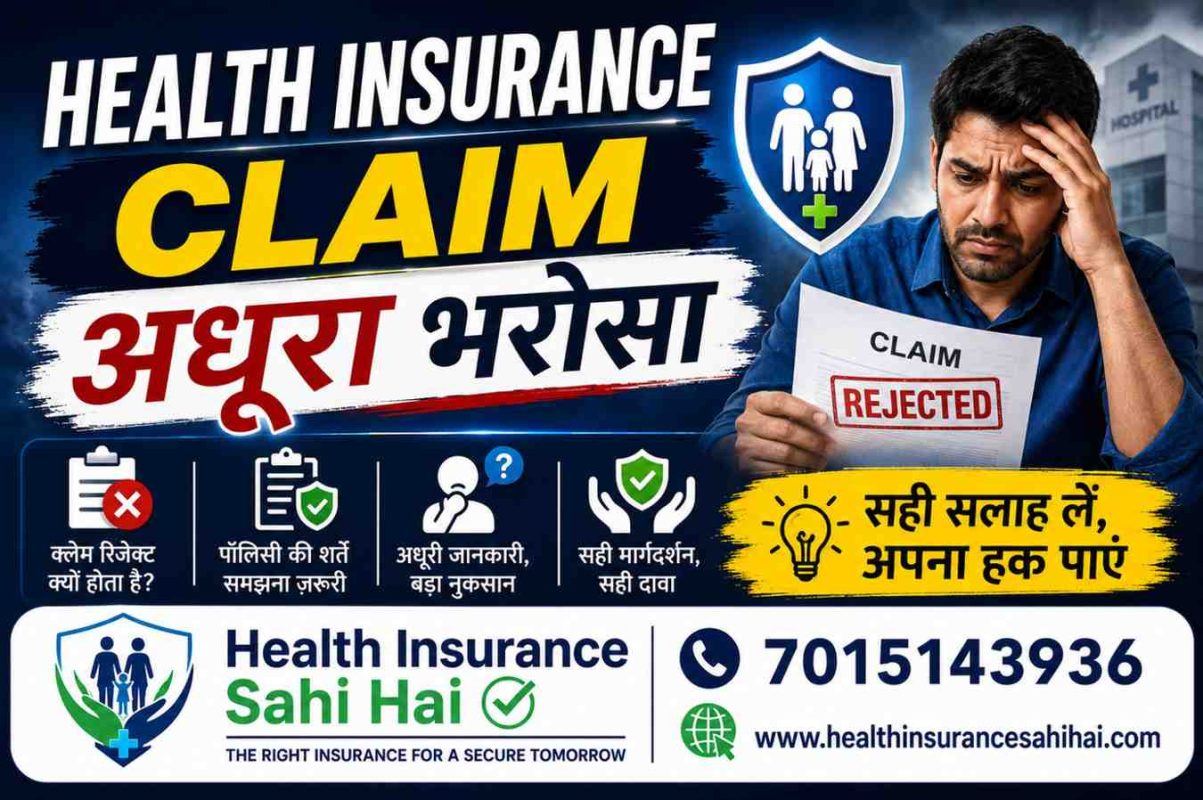
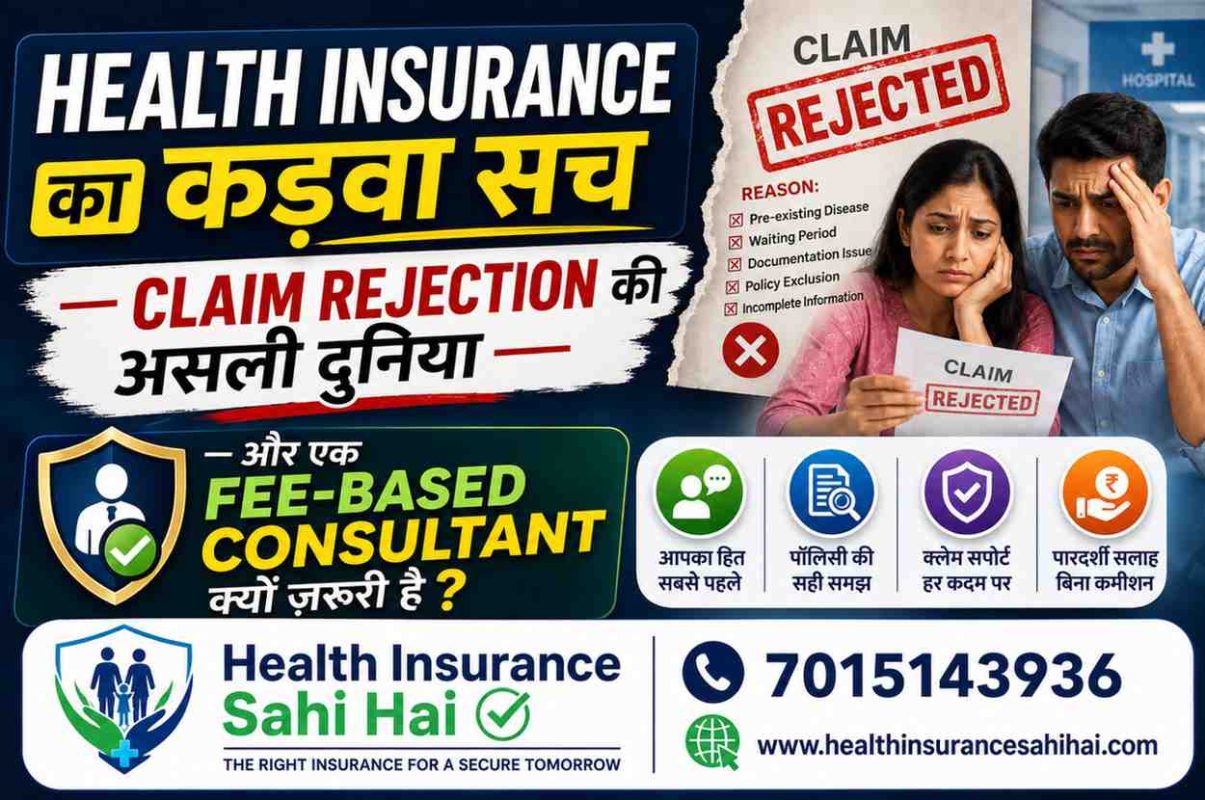
When hospitalization occurs, reality collides with assumptions. Policyholders are often shocked to discover:
- Their disease is under a waiting period
- The selected room category limits claim amount
- Certain procedures have sub-limits
- Non-disclosure of minor past ailments leads to rejection
At this stage, the content creators who influenced the purchase are no longer accountable. Social media influencers do not assist with claims, documentation, or disputes. The responsibility falls entirely on the policyholder.
The Illusion of “Free Advice”
One of the biggest misconceptions is that internet research is free. In truth, it carries hidden costs:
- Time spent on misleading comparisons
- Financial loss due to rejected claims
- Stress during medical emergencies
- Out-of-pocket hospital expenses
Many claim rejections could have been avoided with proper guidance from licensed, fee-based, or regulated advisors who focus on suitability rather than sales.
Why Proper Research Requires Authorization and Accountability
True health insurance research involves:
- Reading official policy wordings
- Understanding IRDAI regulations
- Evaluating personal medical history
- Comparing exclusions, not just premiums
- Assessing long-term claim usability
Unauthorized sources rarely cover these aspects because they require expertise and accountability. Licensed professionals, on the other hand, are obligated to explain both benefits and limitations.
The Role of Confirmation Bias
Social media strengthens confirmation bias. Consumers tend to trust information that supports their initial preference—cheaper premiums or popular brands—while ignoring warnings or negative reviews. Algorithms reinforce this bias by continuously showing similar content, preventing balanced decision-making.
This biased consumption of information results in poor product selection, which directly contributes to claim rejections.
Conclusion: Claims Are Rejected Long Before Hospitalization
Health insurance claims are often rejected not at the hospital desk, but at the time of policy purchase—when decisions are made based on incomplete, biased, and scripted information from unauthorized sources.
Social media, while powerful, is designed to influence behavior, not protect consumers. Without critical evaluation and professional guidance, policyholders unknowingly compromise their future claims.
To reduce claim rejections, consumers must shift focus from popularity and pricing to understanding and suitability. Health insurance is not a trending product—it is a legal contract. And contracts demand clarity, not viral scripts.
The cost of wrong information is not measured in clicks or views, but in denied claims, financial distress, and lost trust—at the moment protection is needed most.